Professional sanitation and food safety professionals in Brampton support restaurants, food centers, bakeries, warehouses, and mobile food services maintaining standards. They sanitize high-contact points, food preparation surfaces, equipment, floors, drains, restrooms, and food handling spaces with approved chemicals, at correct dilution, and recording exposure duration. You require scheduled cleaning determined by risk, food throughput, allergens, and regulatory assessments, plus documented proof backing HACCP, audits, and regulatory adherence. The sections below explains how effective cleaning systems must contain.
Key Takeaways
- Sanitation experts in Brampton support restaurants, grocery departments, commissaries, warehouses, bakeries, schools, mobile vendors, and allergen-sensitive operations.
- They treat high-touch surfaces, food-contact equipment, kitchens, floors, drains, restrooms, and storage areas using sectional methods to avoid cross-contamination.
- Qualified vendors verify proper chemical concentration, appropriateness, and exposure duration, then document completion with swabs, audits, and corrective-action records.
- Sound sanitation calendars factor in threat, production volume, transitions, spills, and guidelines when distributing routine, periodic, and periodic activities by section.
- Coverage, color-categorized instruments, HACCP, sanitation competency, WHMIS instruction, endorsements, and audit-ready sanitation files are important vendor attributes.
Food Safety Cleaning Requirements for Brampton Venues
Food safety cleaning is required for any Brampton facility that deals with, keeps, prepares, packages, or provides food. Apply it to your facility if it falls within health inspections, food codes, or HACCP requirements. This includes food service venues, employee dining, supply facilities, retail sections, butcheries, seafood counters, retail shops, and facility kitchens.
You also need adherent sanitation protocols in distribution centers, food processing plants, freezer facilities, commercial bakeries, educational nutrition programs, event spaces, and catering hubs. Portable and seasonal businesses count too, including mobile kitchens, festival sellers, and temporary food stands. If your staff work with raw supplies, divide prepared foods, warm dishes, or organize allergen inventory, your facility needs written cleaning standards. In Brampton, sanitation isn't optional; it's part of legal, operational, and consumer protection compliance.
What Do Brampton Cleaning Experts Clean?
You require experienced cleaning professionals who disinfect high-touch surfaces, kitchen spaces, floor areas, and restroom facilities to ensure compliance with food safety and health standards. These areas are targeted because they carry the greatest contamination risk, falling hazards, and health code violations.
If you grasp what they sanitize, you'll be able to confirm your operation satisfies required operational and regulatory standards.
Important High-Touch Surface Sterilization
establish a sterilization frequency
establishing unidirectional workflows, and separating cleaning materials according to area
Kitchen Areas, Floor Surfaces, and Bathroom Spaces
Brampton cleaning professionals will address kitchens, floors, and restrooms since each space presents separate food safety concerns, slip-and-fall, and public health challenges. In industrial kitchens, you need grease removal from cooking stations, appliance surfaces, drain systems, preparation areas, and backsplashes to reduce contamination and pest pressure.
Floor care that is documented should access this information also be anticipated. Technicians scrub and extract buildup from grout, tile, and vinyl flooring, then apply suitable dehydration methods so you can limit falls and maintain code-compliant conditions. They also handle entryways where moisture and debris migrate indoors.
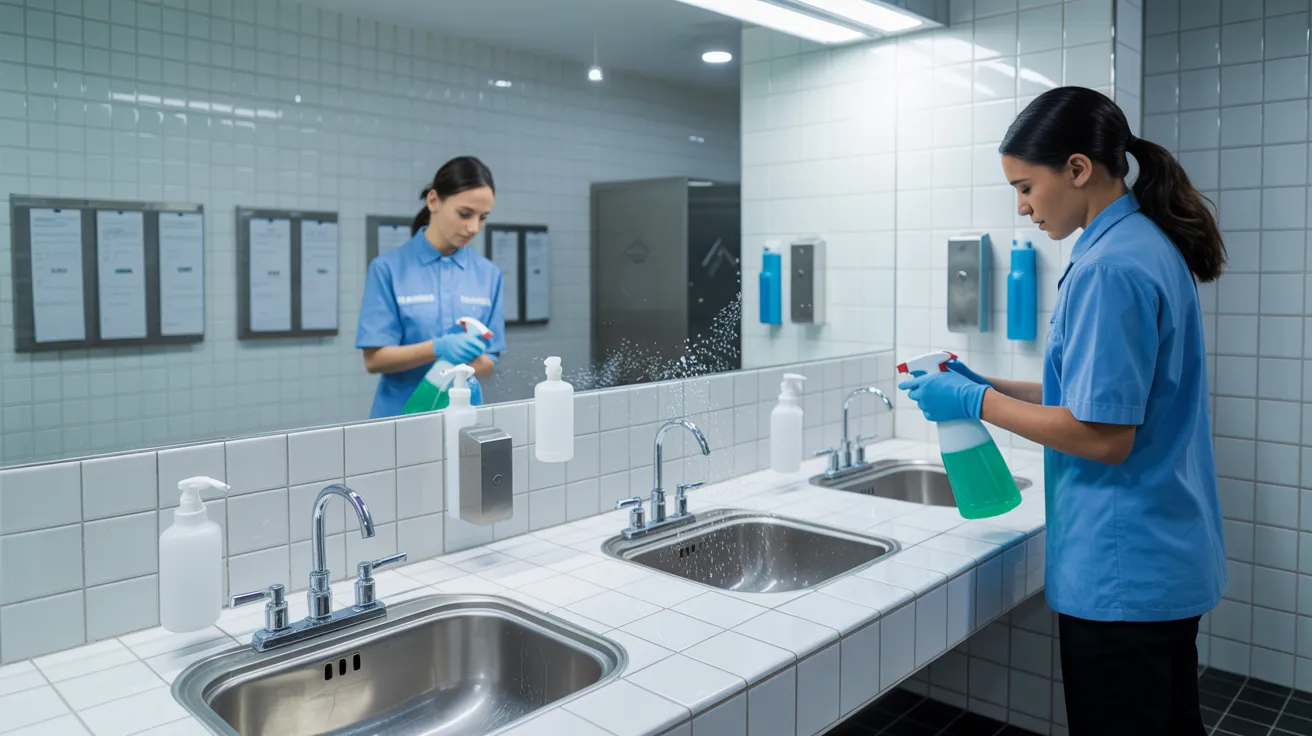
In restrooms, cleaners disinfect touchpoints, fixtures, partitions, dispensers, and waste containers then refill supplies and eliminate odor. They also service restaurant moprooms, where chemical storage, sink hygiene, and drainage conditions can affect sanitation compliance and staff safety daily.
Food Safety Cleaning Significance for Brampton Businesses
To comply with health code requirements and succeed in audits, Brampton facilities must maintain appropriate cleaning protocols. You also minimize cross-contamination by cleaning and sanitizing food-contact surfaces, equipment, and high-touch areas correctly. Most importantly, you help protect public health by lowering the risk of foodborne illness in your facility.
Health Code Compliance
Food businesses in Brampton face stringent health requirements, making food safety cleaning crucial to adhering to health code requirements, safeguarding patrons, and preventing enforcement action. You must maintain clean food preparation areas, verifiable cleaning logs, proper chemical use, and auditable operational standards that comply with municipal and provincial inspection expectations.
Robust sanitation supports cross-contamination prevention by reducing particles on common tools plus high-touch areas. If your cleaning standards deteriorate, you expose yourself to citations, compliance orders, reputational damage, and possible interruption to service during further inspections or regulatory actions.
Cross-Contamination Avoidance
Meeting health code standards also depends on your ability to prevent cross-contamination during routine food preparation and sanitation. You must keep raw items away from prepared dishes, clean work areas after each use, and store chemicals away from food-contact items. Established guidelines minimize contamination chances and support consistent compliance during inspections.
You might establish allergen separation to stop main allergens from reaching shared surfaces, containers, or equipment. Use dedicated cutting boards, color-coded tools, and rigorous tool identification so staff don't mix items throughout cooking or delivery. Enforce washing hands following raw meat, seafood, eggs, or allergen-containing products. Swap cleaning rags frequently, and test disinfectant concentration using strips. When employees learn these procedures every shift, you develop a more sanitary, secure business that matches Brampton's safety requirements daily.
Public Health Protection
When sanitation efforts deteriorate, you don't only risk a failed inspection—you raise the likelihood of foodborne illness striking customers, staff, and the larger Brampton community. You also weaken your role in protecting public health, especially in busy food facilities where contamination can spread quickly through surfaces, equipment, and touchpoints.
You must establish sanitation protocols that remove contaminants, disinfect correctly, and verify outcomes. This involves adhering to exposure times, employing authorized sanitizers, documenting procedures, and training employees to meet regulatory standards. These mechanisms support disease prevention by limiting pathogens before reaching food or hands. Across Brampton, strong cleaning protects at-risk populations, limits outbreak risk, and demonstrates accountability. When you follow standards, you exceed regulations—you substantially lower hazards and enable safer food service throughout the area.
Why Is Cleaning Essential for Food Safety Compliance?
Following thorough cleaning protocols backs food safety compliance by decreasing contamination threats, limiting pathogen development, and maintaining your facility's adherence to sanitation requirements under HACCP-based programs and public health regulations. You ensure that food-handling surfaces appear visibly clean and microbiologically controlled, enabling documented preventive controls and inspection readiness.
Diligent cleaning further solidifies allergen prevention by extracting residues that can trigger undeclared allergen exposure. When you match established sanitation practices with compliance training, your staff can execute consistent approaches, apply approved chemicals accurately, fill out documentation thoroughly, and handle variations ahead of issues intensify. Systematic cleaning enables traceability, verifies remedial measures, and exhibits due diligence when audited. Additionally, it assists you preserve quality assurance, sustain operational adherence, and minimize the chances of regulatory actions, market recalls, complaints, and preventable health dangers.
Determining When to Plan Commercial Cleaning
maximum production periods, product switches, spill events
Use weekly or every month schedules
Selecting the Right Brampton Cleaning Experts: Key Considerations
Begin by evaluating providers based on food-safe sanitation requirements—not solely on price alone. You should confirm that each organization comprehends CFIA, public health, and HACCP-aligned expectations applicable to your facility. Request proof of insurance, WHMIS compliance, staff training documentation, and oversight procedures. Assess whether technicians recognize cross-contamination hazards, chemical handling protocols, and verifiable sanitation records.
You must also evaluate operational reliability and oversight. Seek references from food facilities in Brampton, then assess response speed, corrective-action procedures, and communication standards. Ensure the company supports supplier audits and can provide inspection-ready documentation when authorities or third parties demand verification. Verify equipment is maintained, colour-coded tools are deployed correctly, and operational-specific risks are understood. A qualified provider safeguards compliance, product safety, and your market standing.
What's included in a Food Safety Cleaning Plan?
Write out a plan that outlines every sanitation task, standard, and responsibility before starting production. You should record cleaning frequencies, approved chemicals, dilution rates, contact times, tools, and verification methods for each zone, surface, and piece of equipment. Ensure you include pre-operational inspections, corrective actions, and employee training requirements.
Your framework should also cover cross-contamination controls, waste handling, pest-prevention measures, and documented schedules for bathrooms, drainage, ground surfaces, and food-handling zones. Specify how you'll separate raw and ready-to-eat processes, help with ingredient tracking, and copyright accurate allergen labeling through validated cleaning between product changes. You should establish accountability, maintain signed records, and review results against regulatory standards, HACCP controls, and customer requirements. When gaps appear, revise procedures immediately and re-educate staff.
Frequently Asked Questions about the Plan
Will cleaning services handle nighttime hours at Brampton properties?
Yes, you can arrange sanitation coverage to support nighttime operations in Brampton facilities. You'll coordinate overnight sanitation around operational schedules, security measures, and personnel needs. Providers typically map nightshift logistics to reduce disruption, ensure adherence, and record finished work. You should verify arrival timeframes, oversight, lockout procedures, and disposal methods before service begins.
Do sanitation professionals offer hazard containment services?
Yes, you can discover many Brampton cleaning professionals providing hazard containment services. They handle hazardous incidents, evaluate risks, isolate contamination, and begin swift decontamination to reduce risk and avoid operational impact. You should verify response rates, credentials, PPE measures, and waste procedures. If your facility must meet compliance standards, select a service that documents events, adheres to standards, and ensures audit compliance.
Are plant-based disinfectants secure for surfaces contacting food?
Absolutely, natural disinfectants can be safe for food-handling equipment when you select products labeled food safe and regulatory compliant. You must confirm application timing, dilution rates, and rinse procedures before use. Plant-derived products minimize chemical burden, though you require demonstration of efficacy against relevant pathogens. For maintaining residue free surfaces, stick to exact manufacturer guidelines and verify the sanitizer satisfies relevant food safety standards.
Can cleaning plans change with seasonal shifts?
Absolutely, maintenance plans are customizable for seasonal variations. Revise intervals, staff levels, chemicals, and testing procedures to match seasonal patterns while upholding regulatory adherence. Lower equipment downtime through scheduling cleaning during changeovers, peak seasons, and operational patterns. Additionally, update standard operating procedures, training, and environmental monitoring to account for periodic risks, new allergens, or increased soil loads. Continuous reviews preserve your program functional.
Do professional cleaners instruct your team in proper hygiene techniques?
Absolutely, commercial cleaners regularly deliver employee education on hygiene standards. Your staff gets training on proper chemical use, dwell times, cross-contamination prevention, machine takedown, and documentation. They typically align instruction with HACCP, GMP, and CFIA or regional health authority standards. Many also perform health inspections to verify compliance, pinpoint weaknesses, and reinforce corrective actions. This helps you maintain consistent procedures, pass inspections, and lower contamination dangers consistently.
Final Thoughts
Partnering with Brampton commercial cleaning and food safety experts means more than cleaning—it guarantees your operation stays inspection-compliant and your protocols remain compliant. From kitchen areas to production zones, each cleaned area and maintained corner reduces health hazards and avoids costly disruptions. By arranging service at suitable frequencies and implementing a thorough cleaning program, you protect your workforce, clients, and your reputation. In a heavily regulated sector, sanitary conditions are non-negotiable—they're critical to business success.